Taking Action for Those Who Answer the Call
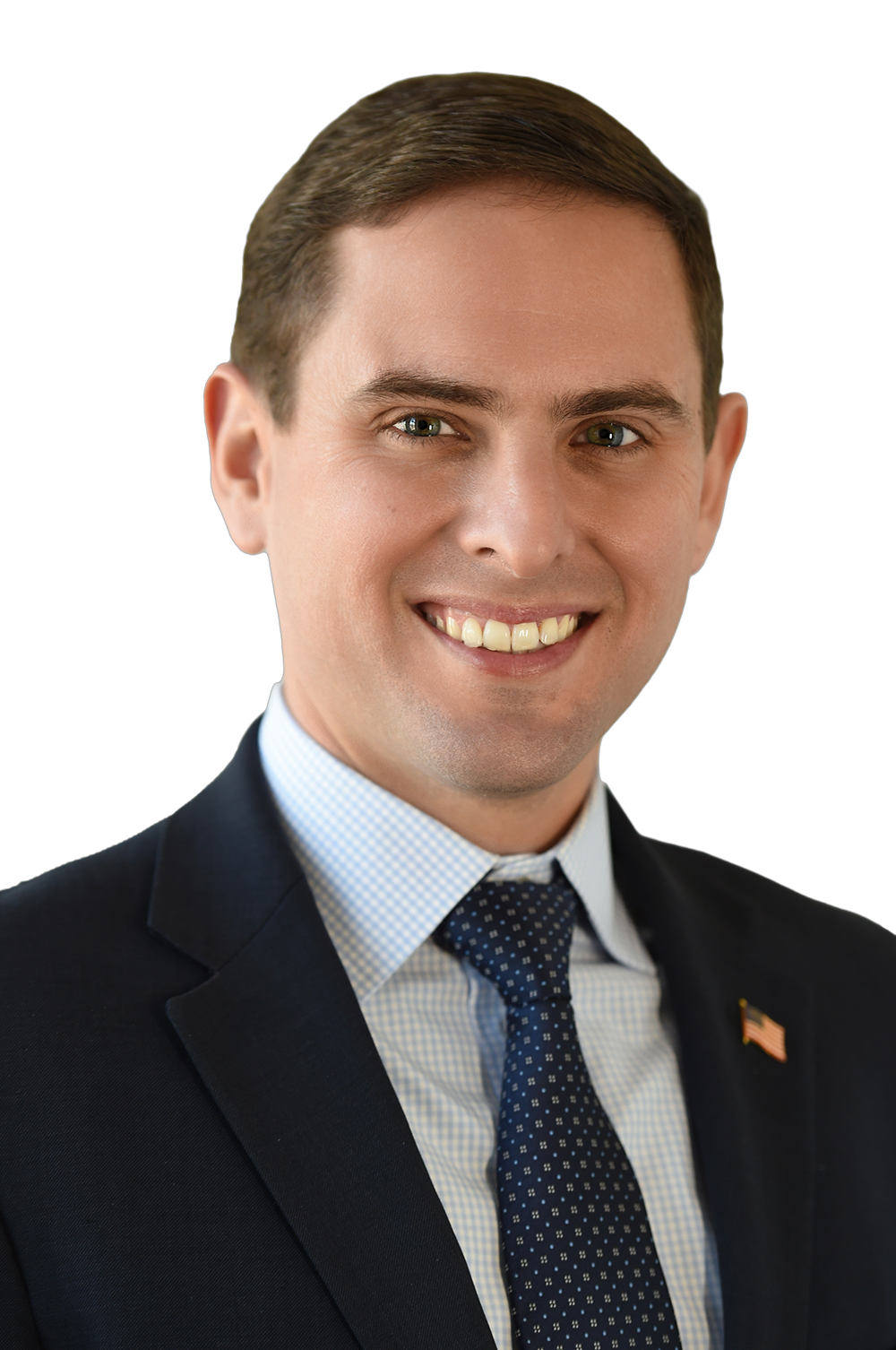
An Op-ed by Assemblyman Matt Slater (R,C-Yorktown)
The room fell quiet.
As our first responder roundtable was drawing to a close, I asked one final question:
“What mental health resources does New York state provide to support our local police officers, firefighters, EMTs and dispatchers after responding to traumatic incidents?”
For a moment, no one spoke. Then heads around the room slowly began to shake.
It wasn’t because these men and women don’t know how to do their jobs. They do, and they do them exceptionally well. It wasn't because they were looking for recognition or praise. They weren’t.
It was because many felt that after the call is over—after the horrific crash, the fatal overdose, the devastating fire, the child they couldn’t save or the heartbreaking responsibility of notifying a family that a loved one or fellow officer will never be coming home—they are too often expected to simply move on.
That moment has stayed with me.
I hosted this roundtable because I wanted to hear directly from the police officers, volunteer firefighters, EMTs and emergency dispatchers who protect our communities every day. Good public policy doesn’t begin in Albany—it begins by listening to the people doing the work.
Throughout the discussion, I heard remarkable stories of courage, professionalism and service. But I also heard honest conversations about the emotional toll that comes with protecting our communities. First responders spoke about memories that never leave them, the cumulative stress of responding to traumatic incidents, and the challenge of carrying those experiences home to their families.
The conversation also reminded me that no one serves alone.
Behind every police officer, firefighter, EMT and dispatcher is a spouse who worries, children who sacrifice time with a parent working nights, weekends and holidays and families that quietly shoulder the emotional burden that comes with a career dedicated to protecting others.
There is a long-standing understanding in many service-oriented professions that supporting families is essential to sustaining those who serve. When families are supported and resilient, those on the front lines are better able to focus on the difficult work before them. After listening to our local first responders, it is clear the same principle applies here at home. Supporting the families behind our first responders ultimately strengthens the entire public safety system.
I have long believed we need to do more to support the mental health of our first responders, which is why I proudly co-sponsored legislation creating a statewide First Responder Peer Support Program. That proposal recognizes a simple truth: Those who have experienced trauma in the line of duty are often best equipped to help one another process it. Peer support is an important step forward, and I remain committed to seeing it become law.
But after hearing directly from the men and women at this roundtable, it became clear that peer support is only one piece of a much larger puzzle. As a result of those conversations, I have formally requested that Governor Kathy Hochul include two new initiatives in the upcoming Executive Budget proposal.
The first is a First Responder Behavioral Health Response Grant Program, administered through the New York State Office of Mental Health in partnership with the Division of Homeland Security and Emergency Services. This program would provide local governments with resources to improve coordination between emergency responders and behavioral health providers, strengthen dispatcher and crisis intervention training, develop strategies to address repeat behavioral health calls, improve data collection and help communities build local partnerships that lead to better outcomes while ensuring public safety remains the highest priority.
The second is a First Responder Family Readiness Grant Program, administered through the Division of Homeland Security and Emergency Services in consultation with the Office of Mental Health. This initiative would help communities develop family counseling services, peer support for spouses, family resource coordination, educational programs, critical incident assistance and other services designed to strengthen the families who stand beside those who protect us every day.
These are not mandates from Albany. They are investments in local communities, giving counties and municipalities the flexibility to build programs that meet the unique needs of their first responders.
In addition to these budget requests, I intend to introduce legislation during the upcoming legislative session to establish long-term statewide frameworks for both initiatives. Budget funding can help communities begin implementing innovative programs immediately, while legislation can ensure these priorities remain a lasting commitment to New York’s first responders and their families.
When the discussion ended that day, I left with pages of notes, a deeper appreciation for the challenges facing our first responders and a responsibility to act. The proposals I am advancing are the direct result of listening to the experiences of the police officers, firefighters, EMS professionals and dispatchers who serve our communities with extraordinary dedication.